
You probably didn't wake up one morning and suddenly have back pain. It crept in slowly-maybe after years of sitting at a desk, lifting your kids, or sleeping in the wrong position. Maybe it started as a dull ache in your lower back that you brushed off. Then one day, it stopped being something you could ignore.
If that sounds familiar, you're far from alone. Back pain is one of the most common reasons people miss work, visit their doctor, and eventually find themselves searching for a spine specialist in Rosenberg, TX. And if you've reached the point where you're looking for real answers-not just another prescription or a suggestion to "take it easy"-you're in the right place.
At Texas Nerve and Spine, we've been helping patients across Rosenberg, TX and the surrounding communities find lasting relief since 2008. Our approach is different from what you'll find at a traditional spine doctor's office. We focus on drug-free, non-surgical treatments that target the root cause of your pain-not just the symptoms. No cortisone shots. No opioid prescriptions. No pressure to schedule surgery you may not need.

There's a reason you typed "spine doctor" or "back doctor near me" into your phone. Something isn't right, and you need someone who actually understands how the spine works-not just a general practitioner who runs a quick exam and writes a referral.
A spine specialist focuses specifically on the conditions affecting your spinal column, the discs between your vertebrae, and the network of nerves that run through and around your spine. These are the nerves responsible for sending signals between your brain and the rest of your body. When something compresses, irritates, or damages those nerves, the effects show up as pain, numbness, tingling, burning, and weakness-sometimes in places you wouldn't expect.
That sharp, shooting pain running from your hip down the back of your leg? That's often sciatica, and it starts in your spine. The stiffness in your neck that turns into headaches by mid-afternoon? Also a spinal issue. Even the tingling in your hands and feet that your regular doctor can't seem to explain-that can trace back to a problem along your spinal cord.
The point is, finding the right spine and back doctor can mean the difference between years of managing symptoms and actually addressing the condition causing them.
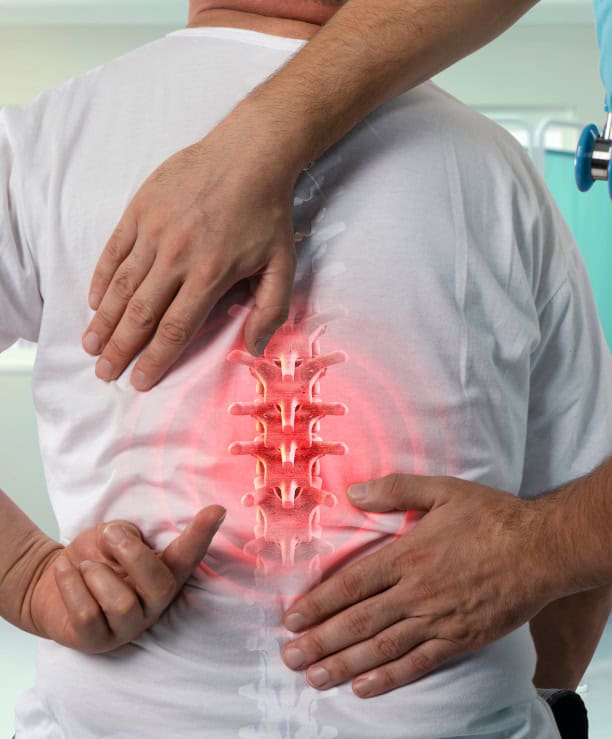

When you visit Texas Nerve and Spine, you'll sit down with a specialist who takes the time to understand your full medical history, your daily habits, and exactly how your pain affects your life. We treat a wide range of spinal conditions, including many that other practices address with medication or surgery as a first step. Our specialists see patients every day who are dealing with:
Lower back pain affects nearly everyone at some point, but when it becomes chronic-lasting more than three months-it signals something deeper than a pulled muscle. Whether your pain is caused by a degenerating disc, a misaligned vertebra, or nerve compression, our back pain specialists work to identify the specific source. That distinction matters. A doctor for back pain who treats every patient the same way is going to miss the nuances that make your situation unique. We don't do that here.
If you've been searching for a sciatica doctor or doctor for sciatica, you already know how debilitating this condition can be. Sciatica occurs when the sciatic nerve-the longest nerve in your body-becomes compressed or irritated, usually at the point where it exits the lower spine. The resulting pain can radiate from your lower back through your buttock, down the back of your thigh, and into your calf or foot. Some people describe it as burning; others say it feels like an electric shock. Our sciatica treatment programs are designed to decompress the affected nerve, reduce inflammation, and restore normal function without surgery or steroid injections.

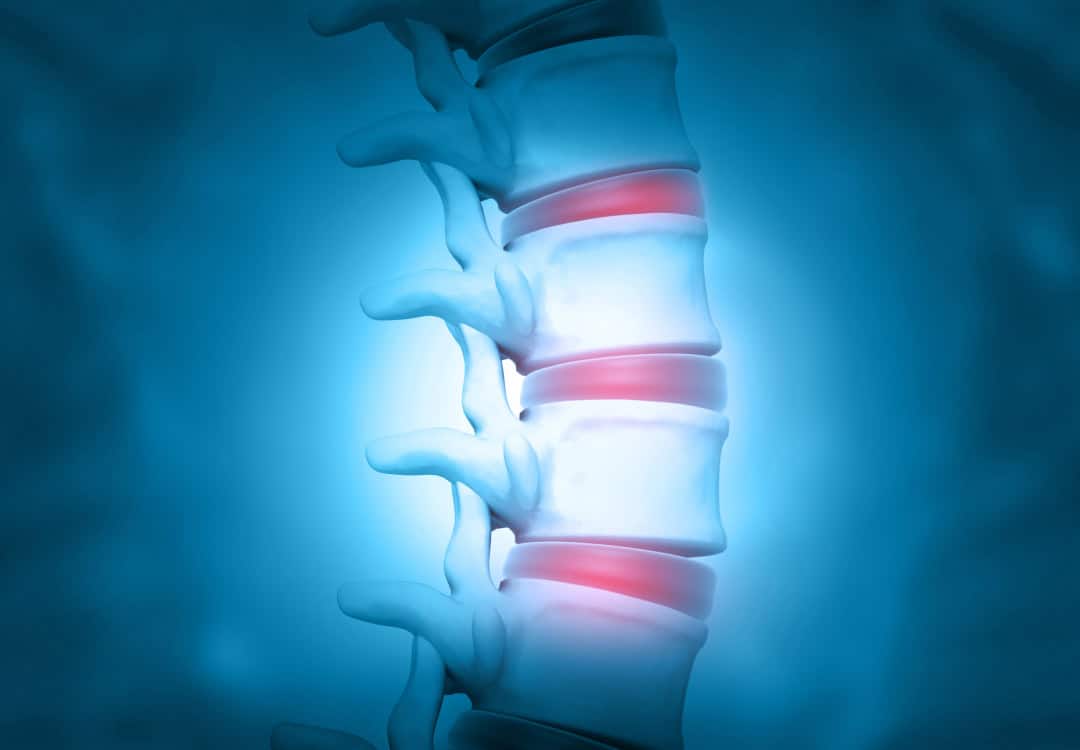
The discs between your vertebrae act as shock absorbers. Over time-or after an injury-the soft interior of a disc can push through a weakened outer layer and press against nearby nerves. When patients come to us looking for a herniated disc doctor, they're often frustrated. They may have already been told surgery is the only option. But in many cases, non-surgical herniated disc treatment can provide significant relief. Through modalities like spinal decompression therapy, we gently create space between the vertebrae, allowing the disc material to retract and take pressure off the nerve.
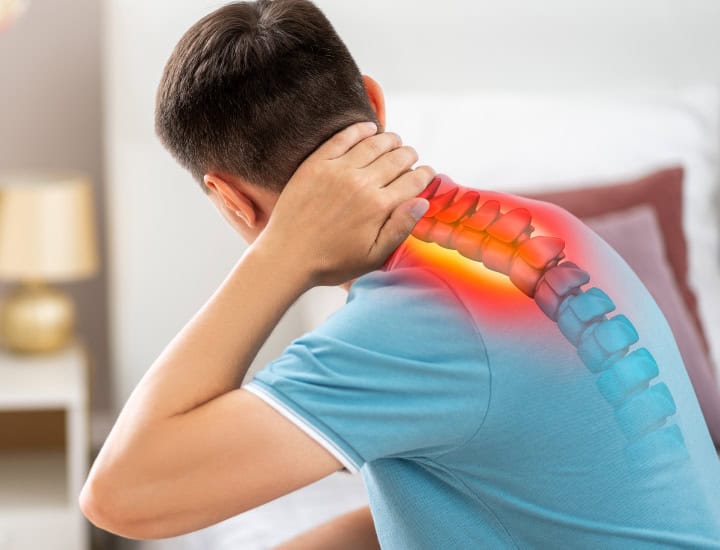
Neck pain is more than an inconvenience. When the cervical spine is compromised-whether from disc degeneration, poor posture, whiplash, or nerve compression-it can affect your ability to work, drive, and sleep. Our neck treatment protocols address the mechanical and neurological components of cervical spine dysfunction. If you're looking for a neck doctor in Rosenberg, TX who takes a comprehensive, non-invasive approach, we'd welcome the chance to show you what's possible.
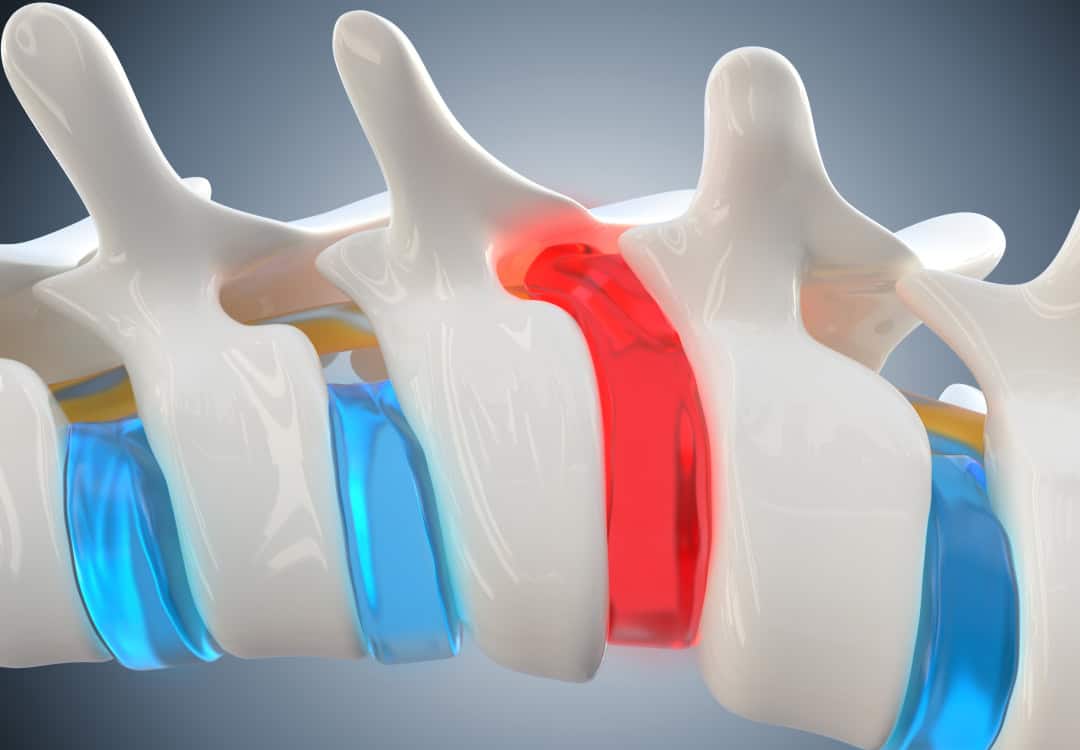
As we age, the spinal canal can gradually narrow, putting pressure on the spinal cord and the nerves that branch off from it. This condition, called spinal stenosis, often develops alongside degenerative disc disease. Together, they can cause persistent pain, stiffness, numbness, and difficulty walking or standing for long periods. Traditional approaches lean heavily on pain management through medication. Our spine specialists take a different path-using advanced therapies to improve circulation, reduce nerve inflammation, and support the body's natural repair processes.
What sets Texas Nerve and Spine apart from other spine and back doctors in Rosenberg, TX isn't just what we treat-it's how we treat it. Our Brain to Body Program is built on the understanding that your nervous system controls everything. Every signal of pain you feel, every muscle that won't fire correctly, every patch of skin that's gone numb-it all ties back to the communication pathway between your brain and your body.
When that pathway is disrupted by a herniated disc, compressed nerve, or degenerative condition, masking the pain with medication doesn't fix the underlying problem. It just turns down the volume on a signal your body is sending for good reason.
Our treatment plans are custom-built for each patient using a combination of advanced, evidence-based therapies. Depending on your condition, your personalized plan may include several of the following:
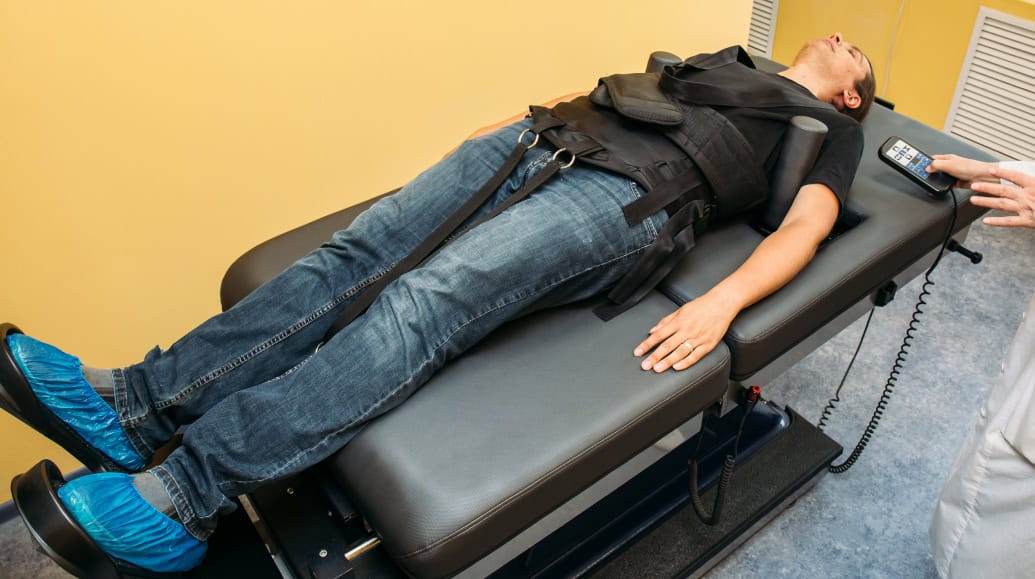
This is one of our most effective treatments for herniated discs, bulging discs, sciatica, and spinal stenosis. Spinal decompression uses a specialized table to gently stretch the spine, creating negative pressure within the disc. That negative pressure helps retract the bulging or herniated disc material, takes pressure off the nerves, and promotes the flow of nutrients and oxygen into the disc for healing. For many patients, this therapy provides the kind of lower back treatment and back treatment they've been searching for-without the risks and recovery time of surgery.

We use therapeutic laser technology to stimulate cellular repair at the source of your pain. The laser penetrates deep into tissue, increasing blood flow, reducing inflammation, and accelerating the body's natural healing response. This is particularly effective for patients with chronic inflammation around the spine and for those recovering from nerve damage.
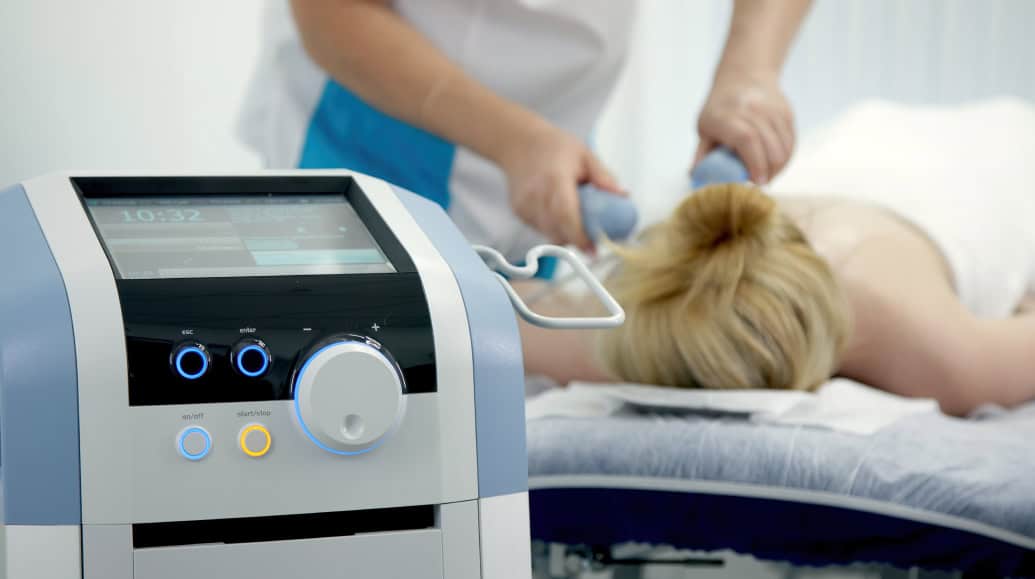
These regenerative therapies use acoustic waves to stimulate the body's repair mechanisms at a cellular level. Soft wave therapy and pressure wave therapy help break down scar tissue, increase blood flow to damaged areas, and activate the body's stem cell response. For patients with long-standing back pain or neck pain, these modalities can jumpstart healing in tissue that has stopped responding to other treatments.

Chronic spinal conditions often cause the muscles around the spine to compensate in unhealthy ways. Some muscles overwork while others essentially shut down. Neuromuscular re-education therapy and motor function re-training therapy help retrain your muscles to fire in the correct sequence, restoring stability and reducing the abnormal stress patterns that contribute to ongoing pain. This is especially critical for patients whose lower back treatment or neck treatment hasn't produced lasting results elsewhere-because without correcting these muscular imbalances, the pain tends to come right back.
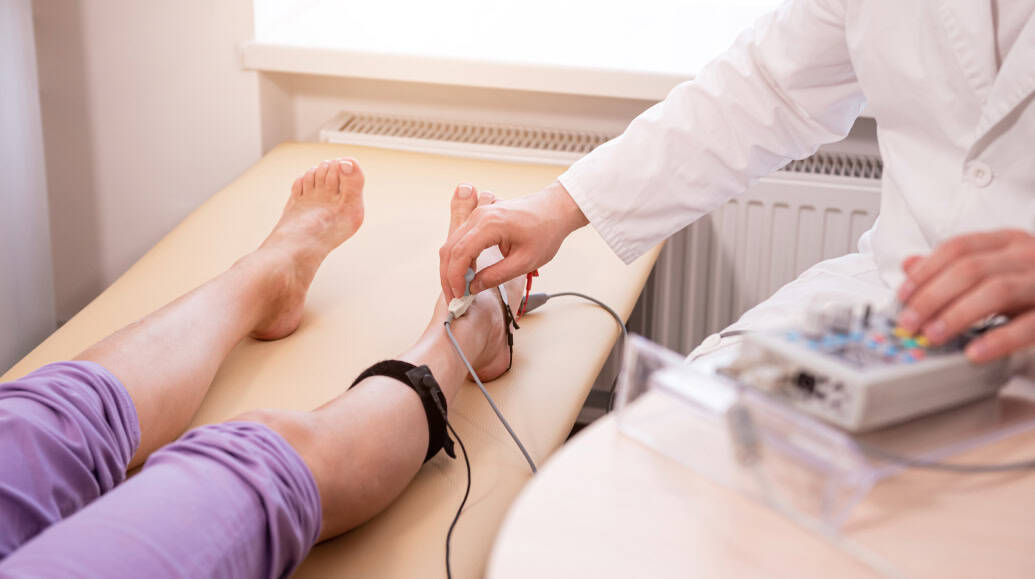
Many patients who visit our clinic for spinal issues also experience peripheral neuropathy-nerve damage that causes numbness, tingling, or burning in the hands and feet. Our peripheral neuropathy rehabilitation protocol works alongside our spinal treatments to restore sensation and function in the extremities, addressing the full scope of the nervous system's involvement.

Our treatment toolbox goes deeper than what you'll find at most spine clinics. Depending on your condition, we may also incorporate cryo therapy to manage pain and inflammation, exercise with oxygen therapy to enhance cellular function, hyperbaric oxygen therapy to support tissue repair, myofascial release therapy to address chronic muscle tightness, neuro activation wall therapy and neuro impulse therapy to re-engage dormant nerve pathways. Each of these modalities plays a specific role in your recovery, and our specialists know exactly when and how to combine them for the best outcome.
We understand that when you're in pain, you just want it to stop. And there's no shortage of doctors willing to prescribe medication or recommend surgery. But here's what many patients aren't told: a significant number of spinal surgeries don't resolve the patient's pain, and some lead to additional complications that require even more procedures.
At Texas Nerve and Spine, we believe surgery should be a last resort-not a first option. Our non-surgical approach has helped thousands of patients across Rosenberg, TX reclaim their mobility, reduce their pain, and get back to living their lives. We've seen patients who were told they'd need spinal fusion walk out of our clinic pain-free after a course of decompression therapy. We've worked with patients who had given up hope find relief through a combination of laser therapy, neuromuscular re-education, and targeted rehabilitation.
That's not to say surgery is never the right answer. But it should only be considered after non-surgical options have been thoroughly explored. And that's exactly what we do.
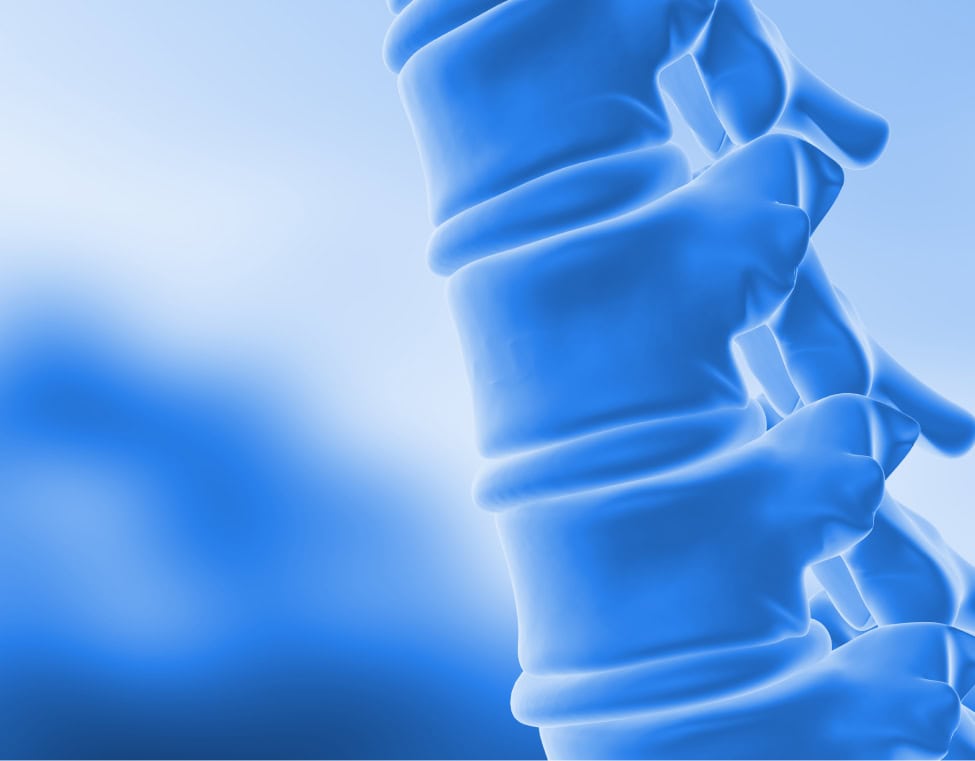
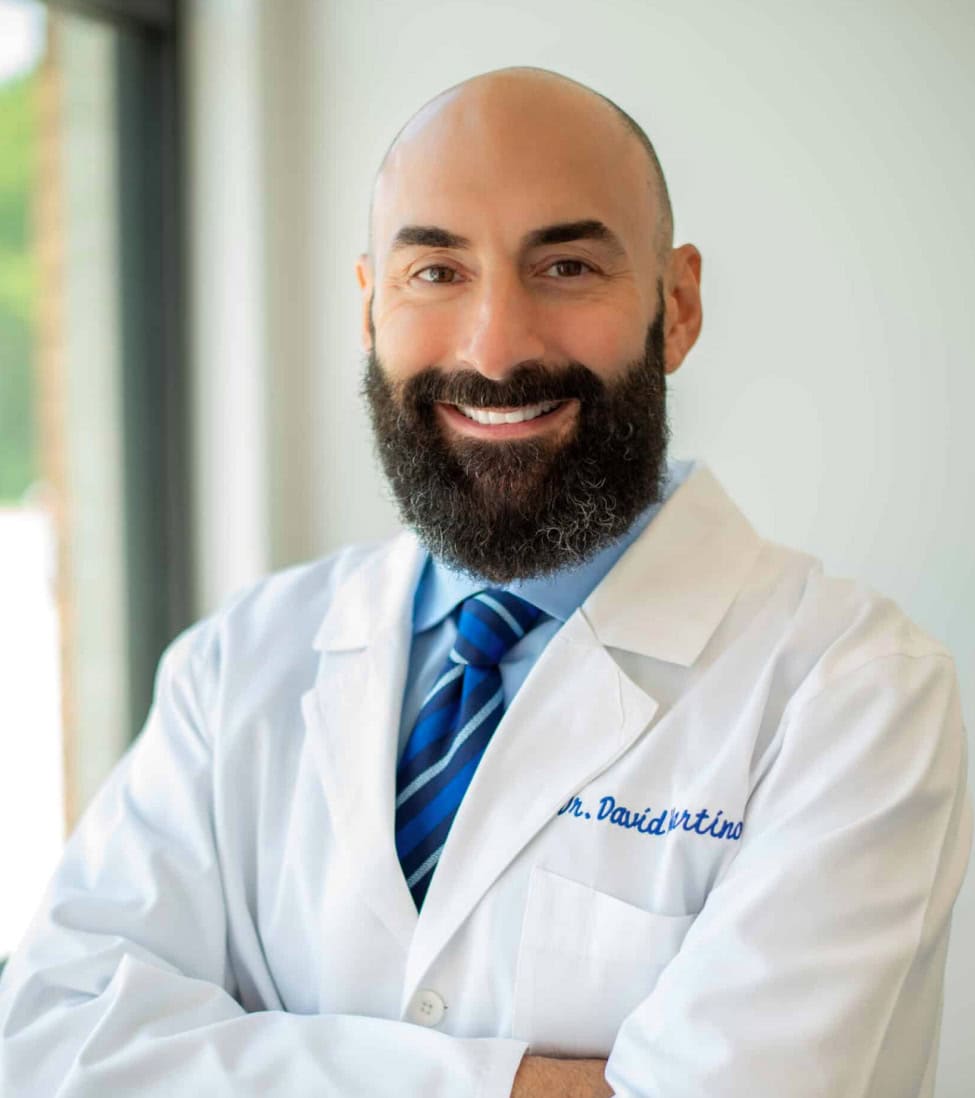
If you're tired of chasing temporary fixes for your back pain, sciatica, herniated disc, or neck pain, it's time to talk to a spine specialist who sees things differently. At Texas Nerve and Spine in Rosenberg, TX, we're not interested in managing your pain-we're focused on finding and treating the source.
Call our Rosenberg, TX center today to schedule your consultation. Same-day appointments are often available, and our team responds quickly-because when you're in pain, waiting isn't an option.


Layne's Chicken Fingers is opening its first new location of the year in Fort Bend County as the chicken chain plans for another year of rapid growth in Texas.The new restaurant is at 28225 Southwest Freeway in Rosenberg. A grand opening event is planned for 11 a.m. Jan. 10, said owner Masroor Fatany, although customers have been flocking to the store since its soft opening Dec. 31. He said Friday that the location is a good one, with neighbors including Starbucks, Whataburger and the Fort Bend County Epicenter. The community has been...
Layne's Chicken Fingers is opening its first new location of the year in Fort Bend County as the chicken chain plans for another year of rapid growth in Texas.
The new restaurant is at 28225 Southwest Freeway in Rosenberg. A grand opening event is planned for 11 a.m. Jan. 10, said owner Masroor Fatany, although customers have been flocking to the store since its soft opening Dec. 31. He said Friday that the location is a good one, with neighbors including Starbucks, Whataburger and the Fort Bend County Epicenter. The community has been experiencing rapid growth, which helps.
Beyond that, Fatany said the chicken brand has been well received in the Houston area since he opened his first Layne's location in Katy in 2021.
"At the end of the day, we sell great chicken fingers," he said.
Layne's opened as a single restaurant in College Station in 1994 and quickly found a following among students at Texas A&M University, who enjoyed the restaurant's chicken fingers, crinkle-cut fries and sauce.
The company, now headquartered in Frisco, did not expand outside of Aggieland until 2018, when it opened several corporate locations in the Dallas area.
Fatany, who started in the restaurant industry by bringing The Halal Guys to the Houston area in 2016, became the brand's first franchisee several years later and was awarded an exclusive contract for the Houston area. The Rosenberg location is his 10th Layne's, he said, and he is looking at opening several other locations in the Houston area this year.
As things stand, Layne's still has a much smaller nationwide presence than Raising Cane's, which was founded in Baton Rouge, La., in 1996 and also has a menu centered around chicken strips.
But the Texas-based chain has ambitious plans for growth. In 2025, Layne's grew from about 20 locations to nearly 50. It has opened locations in Ohio, Wisconsin, Virginia, West Virginia, Georgia and Utah. This year, the chain could double in size again. The company is aiming for "market saturation" in Texas; in November, the company announced a deal to open 44 additional locations in San Antonio, South Texas and West Texas.
Fatany says he sees great growth potential for the chain, even beyond its home state of Texas.
"In the next few years, you'll have a Layne's in every major city in America," he said.
Erica Grieder is a business reporter for the Houston Chronicle.
She joined the Houston Chronicle, as a metro columnist, in 2017. Prior to that she spent ten years based in Austin, reporting on politics and economics, as the southwest correspondent for The Economist, from 2007-2012, then as a senior editor at Texas Monthly, from 2012-2016. In 2013, she published her first book, "Big, Hot, Cheap, and Right: What America Can Learn from the Strange Genius of Texas." An Air Force brat, Erica thinks of San Antonio as home. She is a member of the Federal Reserve Bank of Dallas's Emerging Leaders Council, and holds degrees from the University of Texas at Austin's LBJ School of Public Affairs and Columbia University, where she majored in philosophy.

 (832) 979-5117