
You probably didn't wake up one morning and suddenly have back pain. It crept in slowly-maybe after years of sitting at a desk, lifting your kids, or sleeping in the wrong position. Maybe it started as a dull ache in your lower back that you brushed off. Then one day, it stopped being something you could ignore.
If that sounds familiar, you're far from alone. Back pain is one of the most common reasons people miss work, visit their doctor, and eventually find themselves searching for a spine specialist in Richmond, TX. And if you've reached the point where you're looking for real answers-not just another prescription or a suggestion to "take it easy"-you're in the right place.
At Texas Nerve and Spine, we've been helping patients across Richmond, TX and the surrounding communities find lasting relief since 2008. Our approach is different from what you'll find at a traditional spine doctor's office. We focus on drug-free, non-surgical treatments that target the root cause of your pain-not just the symptoms. No cortisone shots. No opioid prescriptions. No pressure to schedule surgery you may not need.

There's a reason you typed "spine doctor" or "back doctor near me" into your phone. Something isn't right, and you need someone who actually understands how the spine works-not just a general practitioner who runs a quick exam and writes a referral.
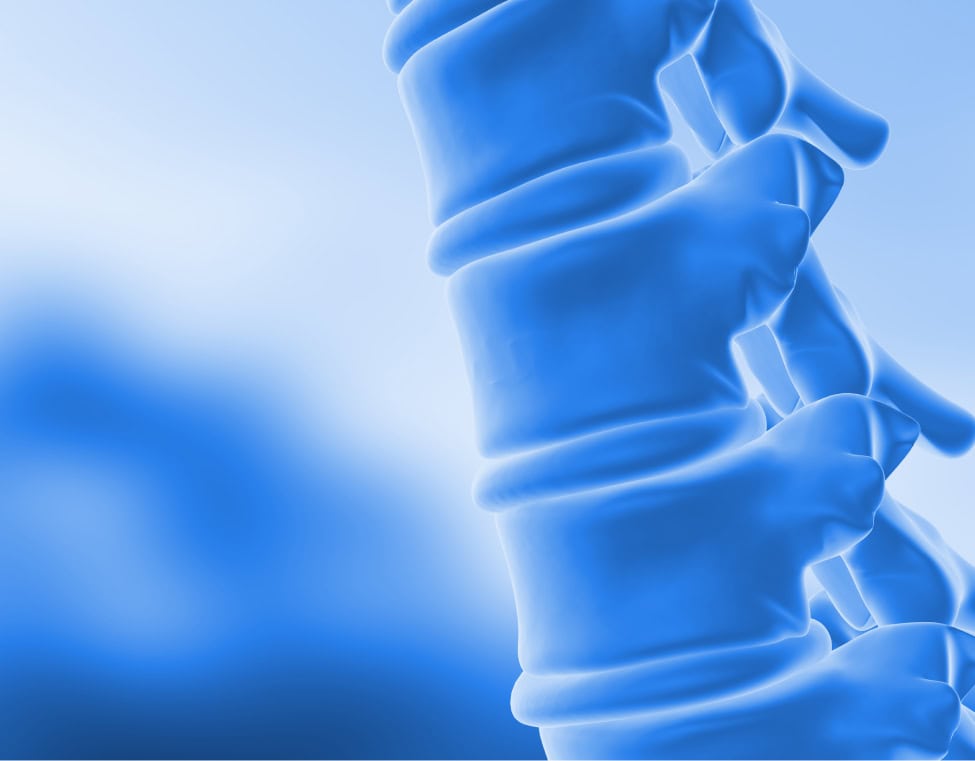
A spine specialist focuses specifically on the conditions affecting your spinal column, the discs between your vertebrae, and the network of nerves that run through and around your spine. These are the nerves responsible for sending signals between your brain and the rest of your body. When something compresses, irritates, or damages those nerves, the effects show up as pain, numbness, tingling, burning, and weakness-sometimes in places you wouldn't expect.
That sharp, shooting pain running from your hip down the back of your leg? That's often sciatica, and it starts in your spine. The stiffness in your neck that turns into headaches by mid-afternoon? Also a spinal issue. Even the tingling in your hands and feet that your regular doctor can't seem to explain-that can trace back to a problem along your spinal cord.
The point is, finding the right spine and back doctor can mean the difference between years of managing symptoms and actually addressing the condition causing them.
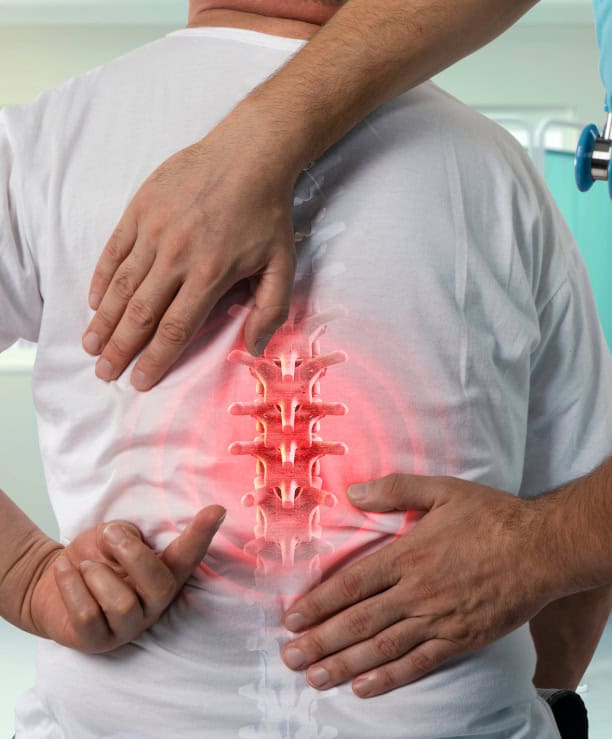

When you visit Texas Nerve and Spine, you'll sit down with a specialist who takes the time to understand your full medical history, your daily habits, and exactly how your pain affects your life. We treat a wide range of spinal conditions, including many that other practices address with medication or surgery as a first step. Our specialists see patients every day who are dealing with:
Lower back pain affects nearly everyone at some point, but when it becomes chronic-lasting more than three months-it signals something deeper than a pulled muscle. Whether your pain is caused by a degenerating disc, a misaligned vertebra, or nerve compression, our back pain specialists work to identify the specific source. That distinction matters. A doctor for back pain who treats every patient the same way is going to miss the nuances that make your situation unique. We don't do that here.
If you've been searching for a sciatica doctor or doctor for sciatica, you already know how debilitating this condition can be. Sciatica occurs when the sciatic nerve-the longest nerve in your body-becomes compressed or irritated, usually at the point where it exits the lower spine. The resulting pain can radiate from your lower back through your buttock, down the back of your thigh, and into your calf or foot. Some people describe it as burning; others say it feels like an electric shock. Our sciatica treatment programs are designed to decompress the affected nerve, reduce inflammation, and restore normal function without surgery or steroid injections.

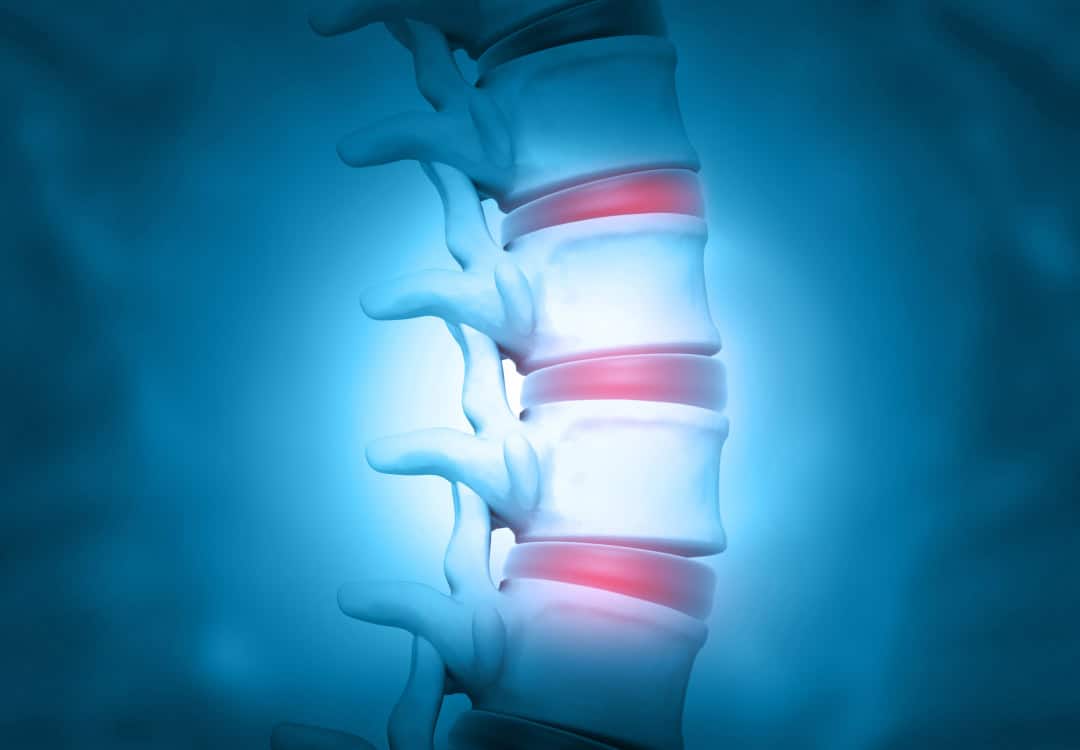
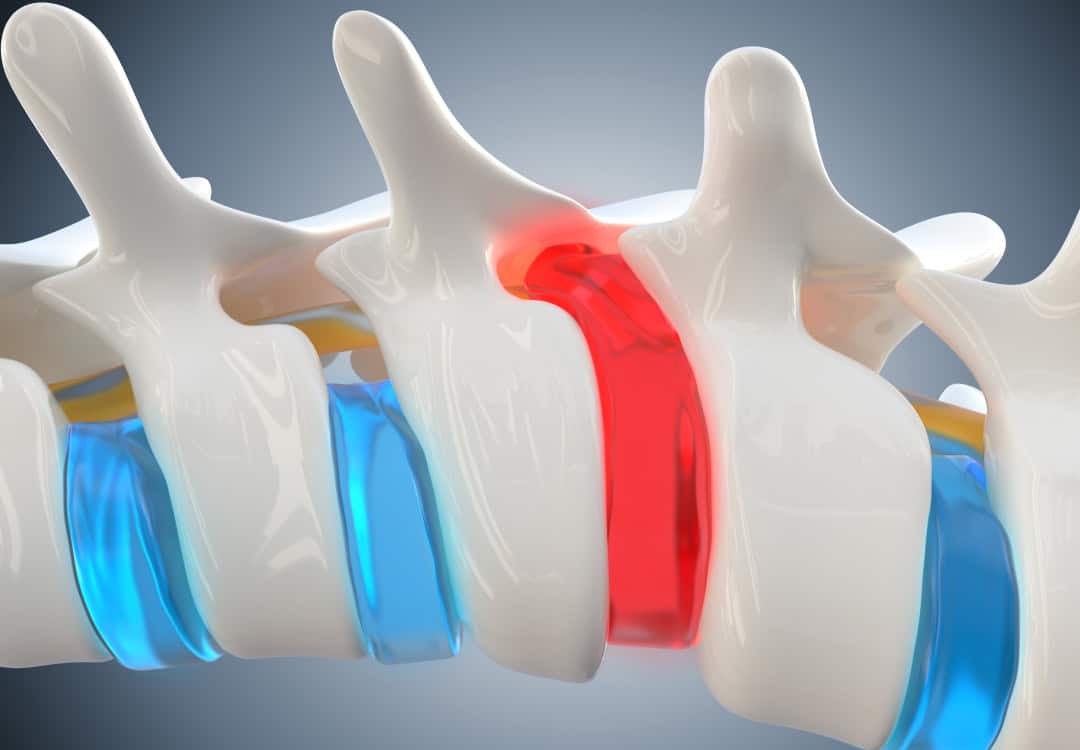
The discs between your vertebrae act as shock absorbers. Over time-or after an injury-the soft interior of a disc can push through a weakened outer layer and press against nearby nerves. When patients come to us looking for a herniated disc doctor, they're often frustrated. They may have already been told surgery is the only option. But in many cases, non-surgical herniated disc treatment can provide significant relief. Through modalities like spinal decompression therapy, we gently create space between the vertebrae, allowing the disc material to retract and take pressure off the nerve.
Neck pain is more than an inconvenience. When the cervical spine is compromised-whether from disc degeneration, poor posture, whiplash, or nerve compression-it can affect your ability to work, drive, and sleep. Our neck treatment protocols address the mechanical and neurological components of cervical spine dysfunction. If you're looking for a neck doctor in Richmond, TX who takes a comprehensive, non-invasive approach, we'd welcome the chance to show you what's possible.

As we age, the spinal canal can gradually narrow, putting pressure on the spinal cord and the nerves that branch off from it. This condition, called spinal stenosis, often develops alongside degenerative disc disease. Together, they can cause persistent pain, stiffness, numbness, and difficulty walking or standing for long periods. Traditional approaches lean heavily on pain management through medication. Our spine specialists take a different path-using advanced therapies to improve circulation, reduce nerve inflammation, and support the body's natural repair processes.
What sets Texas Nerve and Spine apart from other spine and back doctors in Richmond, TX isn't just what we treat-it's how we treat it. Our Brain to Body Program is built on the understanding that your nervous system controls everything. Every signal of pain you feel, every muscle that won't fire correctly, every patch of skin that's gone numb-it all ties back to the communication pathway between your brain and your body.
When that pathway is disrupted by a herniated disc, compressed nerve, or degenerative condition, masking the pain with medication doesn't fix the underlying problem. It just turns down the volume on a signal your body is sending for good reason.
Our treatment plans are custom-built for each patient using a combination of advanced, evidence-based therapies. Depending on your condition, your personalized plan may include several of the following:
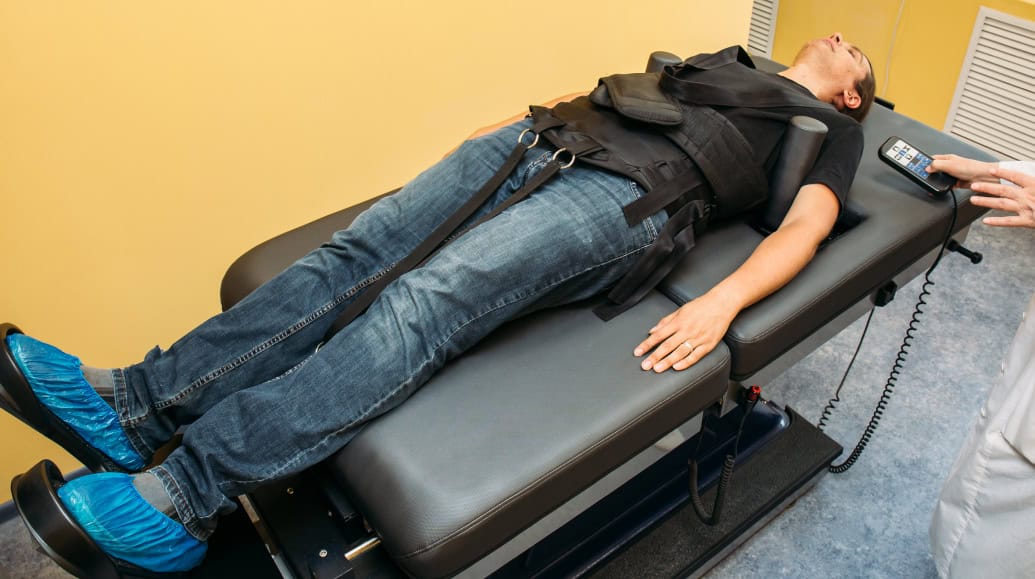
This is one of our most effective treatments for herniated discs, bulging discs, sciatica, and spinal stenosis. Spinal decompression uses a specialized table to gently stretch the spine, creating negative pressure within the disc. That negative pressure helps retract the bulging or herniated disc material, takes pressure off the nerves, and promotes the flow of nutrients and oxygen into the disc for healing. For many patients, this therapy provides the kind of lower back treatment and back treatment they've been searching for-without the risks and recovery time of surgery.

We use therapeutic laser technology to stimulate cellular repair at the source of your pain. The laser penetrates deep into tissue, increasing blood flow, reducing inflammation, and accelerating the body's natural healing response. This is particularly effective for patients with chronic inflammation around the spine and for those recovering from nerve damage.
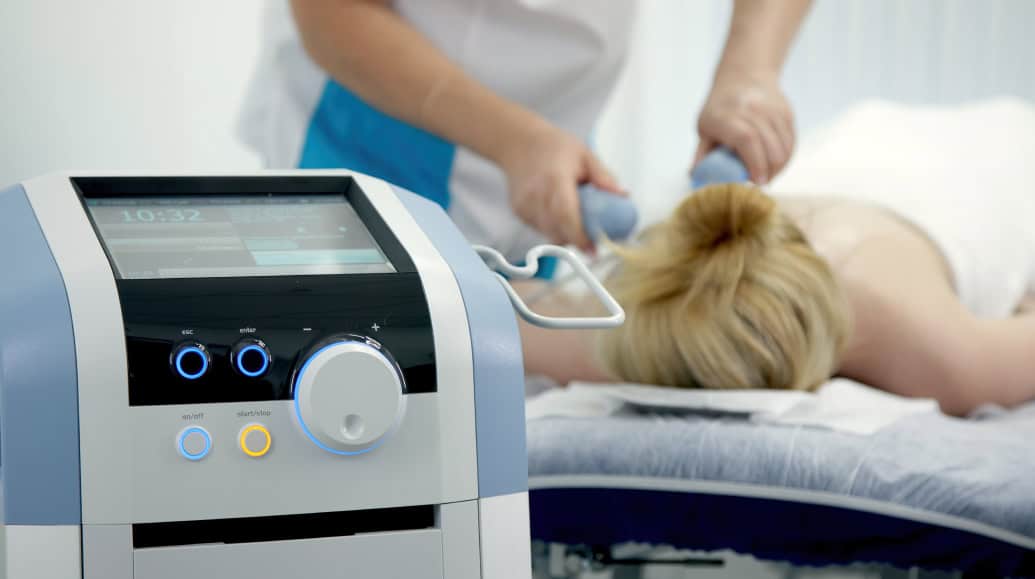
These regenerative therapies use acoustic waves to stimulate the body's repair mechanisms at a cellular level. Soft wave therapy and pressure wave therapy help break down scar tissue, increase blood flow to damaged areas, and activate the body's stem cell response. For patients with long-standing back pain or neck pain, these modalities can jumpstart healing in tissue that has stopped responding to other treatments.

Chronic spinal conditions often cause the muscles around the spine to compensate in unhealthy ways. Some muscles overwork while others essentially shut down. Neuromuscular re-education therapy and motor function re-training therapy help retrain your muscles to fire in the correct sequence, restoring stability and reducing the abnormal stress patterns that contribute to ongoing pain. This is especially critical for patients whose lower back treatment or neck treatment hasn't produced lasting results elsewhere-because without correcting these muscular imbalances, the pain tends to come right back.
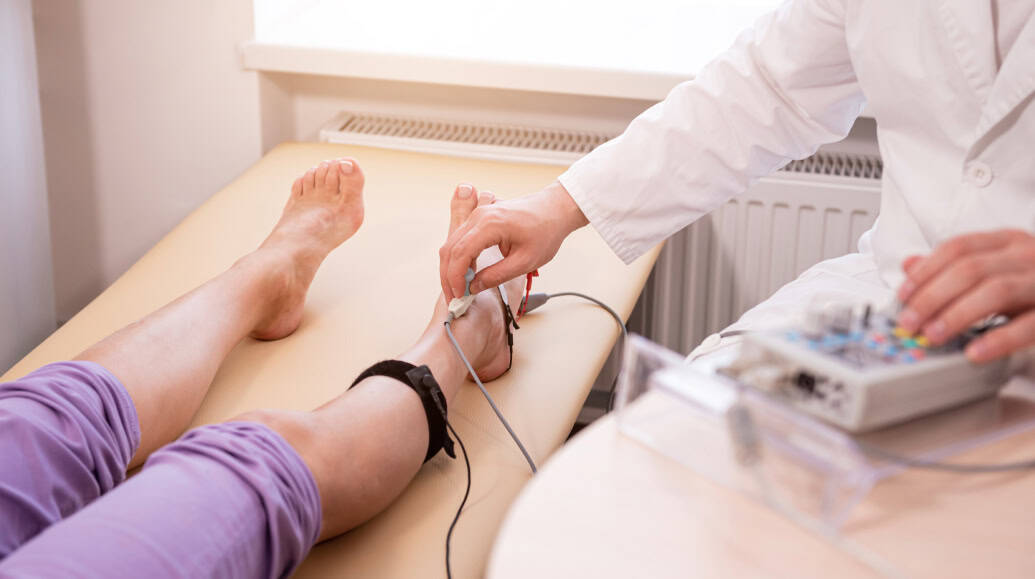
Many patients who visit our clinic for spinal issues also experience peripheral neuropathy-nerve damage that causes numbness, tingling, or burning in the hands and feet. Our peripheral neuropathy rehabilitation protocol works alongside our spinal treatments to restore sensation and function in the extremities, addressing the full scope of the nervous system's involvement.

Our treatment toolbox goes deeper than what you'll find at most spine clinics. Depending on your condition, we may also incorporate cryo therapy to manage pain and inflammation, exercise with oxygen therapy to enhance cellular function, hyperbaric oxygen therapy to support tissue repair, myofascial release therapy to address chronic muscle tightness, neuro activation wall therapy and neuro impulse therapy to re-engage dormant nerve pathways. Each of these modalities plays a specific role in your recovery, and our specialists know exactly when and how to combine them for the best outcome.
We understand that when you're in pain, you just want it to stop. And there's no shortage of doctors willing to prescribe medication or recommend surgery. But here's what many patients aren't told: a significant number of spinal surgeries don't resolve the patient's pain, and some lead to additional complications that require even more procedures.
At Texas Nerve and Spine, we believe surgery should be a last resort-not a first option. Our non-surgical approach has helped thousands of patients across Richmond, TX reclaim their mobility, reduce their pain, and get back to living their lives. We've seen patients who were told they'd need spinal fusion walk out of our clinic pain-free after a course of decompression therapy. We've worked with patients who had given up hope find relief through a combination of laser therapy, neuromuscular re-education, and targeted rehabilitation.
That's not to say surgery is never the right answer. But it should only be considered after non-surgical options have been thoroughly explored. And that's exactly what we do.
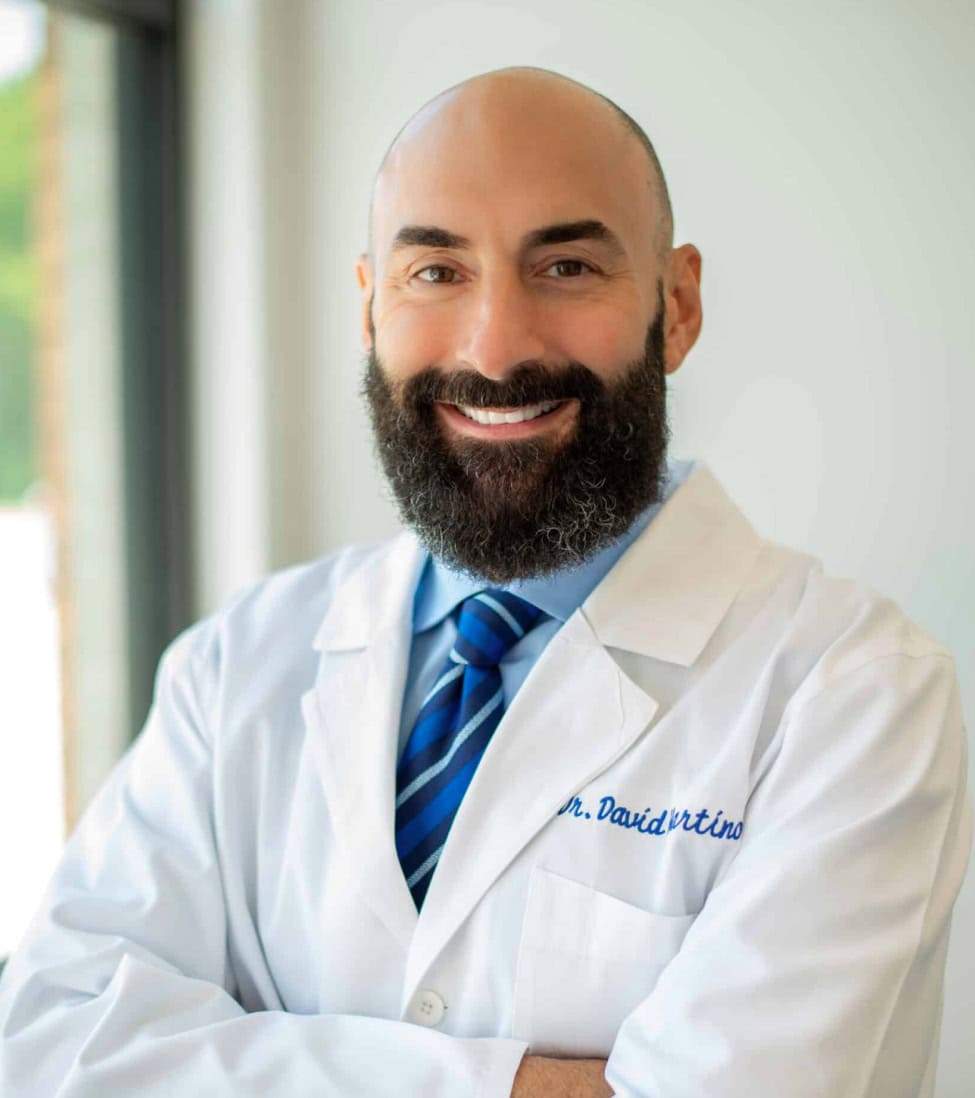
If you're tired of chasing temporary fixes for your back pain, sciatica, herniated disc, or neck pain, it's time to talk to a spine specialist who sees things differently. At Texas Nerve and Spine in Richmond, TX, we're not interested in managing your pain-we're focused on finding and treating the source.
Call our Richmond, TX center today to schedule your consultation. Same-day appointments are often available, and our team responds quickly-because when you're in pain, waiting isn't an option.


Exciting news for hockey fans in the Houston area. The North American Hockey League announced (NAHL) it's relocating the North Iowa Bulls to Fort Bend County. The team will be renamed the Houston Bulls and will play in a brand-new sports facility in Richmond, Texas.Hockey returning to Houston area, expected to bring economic boost to RichmondWhat we know:The NAHL announced that the new Deep South Ice and Sports Center will be built along Harlem Road. Local leaders say this will be a game changer and ...
Exciting news for hockey fans in the Houston area. The North American Hockey League announced (NAHL) it's relocating the North Iowa Bulls to Fort Bend County. The team will be renamed the Houston Bulls and will play in a brand-new sports facility in Richmond, Texas.
What we know:
The NAHL announced that the new Deep South Ice and Sports Center will be built along Harlem Road. Local leaders say this will be a game changer and an economic boost for the area.
"Anytime something of this magnitude comes into the area, we think about the economic impact in a positive way. Restaurants, hotels, and shops will see increased patronage from visitors coming in for games and other events at the facility. The workforce will also be impacted, so when a new complex like this is opened, that means new jobs, and it also means new enterprise," said Melissa Toon, President and CEO of the Central Fort Bend Chamber.
According to the NAHL, the privately owned, 150,000-square-foot facility will feature a state-of-the-art 1,800-seat arena, 14 suites, two party decks, and a second NHL-size practice ice sheet. The complex will also include a volleyball center, creating a multi-sport destination for the Richmond and greater Houston community.
The facility is expected to host more than 30 nights of high-level hockey and entertainment each season.
Local business owners are already looking forward to the increased traffic and visibility the new complex could bring.
"We’re super excited," said the owner of Beans and Brews Coffee House. "Richmond has a great community, and this introduces something completely new with hockey and ice sports. We expect to welcome new customers, make new friends, and grow our business."
City leaders say Richmond continues to grow with more families moving into the area and new businesses being built. They believe the addition of the sports complex will bring a unique and special attraction to the community.
"I remember when we had a hockey team back in the day with the Houston Aeros," Toon said. "It’s great to bring a sport back that hasn’t existed in our area for a while."
What's next:
The Deep South Ice and Sports Center is scheduled to open in the summer of 2026. The Houston Bulls will join the NAHL’s South Division for the 2026–27 season.
The Source: NAHL, Melissa Toon, President and CEO of the Central Fort Bend Chamber.
RICHMOND, Texas — Twenty-three cars of a Union Pacific train derailed today (March 18) in the Houston suburb of Richmond. No evacuation has been ordered, although officials say leaks have been detected from two cars carrying ethanol.“Both leaks are contained,” Fort Bend County Fire Marshal Justin York said in a press conference carried by KRIV-TV. “It is not posing any threat to the public and air monitoring is ongoing as a precaution. There is no need for evacuation at this time.”York said the sit...
RICHMOND, Texas — Twenty-three cars of a Union Pacific train derailed today (March 18) in the Houston suburb of Richmond. No evacuation has been ordered, although officials say leaks have been detected from two cars carrying ethanol.
“Both leaks are contained,” Fort Bend County Fire Marshal Justin York said in a press conference carried by KRIV-TV. “It is not posing any threat to the public and air monitoring is ongoing as a precaution. There is no need for evacuation at this time.”
York said the situation “remains active and under assessment as crews continue to evaluate all railcars. … This is a complex operation and will take time to complete safely.”
Union Pacific said in a updated statement to Trains that the derailment occurred about 5 a.m. and that no one was injured. “Three derailed tank cars released product: one released corn syrup, the other two released ethanol,” the statement said. “The spills have been contained, and recovery of the product is underway. The incident is under investigation.”
The railroad did not have an estimated time for reopening the main line.
The National Transportation Safety Board said in a social media post this afternoon that it is sending a team to investigate the incident.
The derailment occurred adjacent to U.S. Route 90 near OakBend Medical Center in Richmond, a community of 11,627 (as of 2020) about 30 miles southwest of Houston. The incident originally blocked all grade crossings in the Richmond area, but as of about 10:30 a.m., the City of Richmond said in a Facebook post that the remainder of the train had been moved east to alleviate the blockage.
The derailment site is on Union Pacific’s Glidden Subdivision. It is about 15 miles west of the site a Tuesday grade crossing collision between Amtrak’s Sunset Limited and a truck [see “Two minor injuries reported …,” Trains.com, March 18, 2026]. Amtrak is citing the derailment on social media as a reason for the full-route cancellations of today’s Sunset Limited departures from Los Angeles and New Orleans. The westbound train had previously been canceled between New Orleans and San Antonio because of Tuesday’s accident.
— Updated at 4:48 p.m. CT with NTSB announcement. To report news or errors, contact trainsnewswire@firecrown.com.


 (832) 979-5117